

This year, a modest, somewhat ridiculous scene is unfolding at art fairs all throughout the nation, and it usually takes the same form at each one. At a booth, a collector wearing pricey shoes pulls out cash after picking up what appears to be a Pokémon card, examining it under the lights, and asking the artist how many were created. The dimensions of the card are 2.5 by 3.5 inches. Usually, the cost is a fixed seventy-five dollars, though occasionally the holographic ones cost more. The rarer themed cards are sold out, according to a scribbled notice, and the booth is half-empty on the second day of the fair. People continue to show up. A few of them are purchasing booster packs without seeing them.
These are theoretical trading cards, sometimes known as hand-painted artist cards, ACEOs, or simply “the small things” depending on who you ask. In 2026, they have emerged as one of the most surprising trends in American art shows. The format is not new in and of itself. M. Vänçi Stirnemann, a Swiss-Canadian artist, began creating 2.5-by-3.5-inch original artworks in the late 1990s with the intention of trading them with other artists rather than selling them.
The movement, known as Artist Trading Cards, had a clear policy: no money, just trade. It was a modest, charming experiment in the gift economy that lingered in the background of the art world for nearly thirty years. Now, the same structure is being used with the rules somewhat reversed, and the outcome has taken everyone—including the artists themselves—by surprise.
A portion of the appeal can be explained by economics, and this is the aspect that fair organizers typically focus on. At seventy-five dollars, a 2.5-by-3.5-inch original painting is a kind of unicorn: real original artwork, not a print or a replica, at a price that someone with a job and no trust fund can truly buy.
With mid-career artists frequently requesting five figures for a painting and up-and-coming painters hitting four figures within a year of their first show, the contemporary art market has spent decades driving prices in the other way. That is totally reversed in the trading card format. It’s the only item in the booth that the average person can take home, and for those who have always been unable to afford original art, this accessibility proves to be quite important.
However, the lineups and sellouts wouldn’t be produced by affordability alone. The way the cards have assimilated the entire psychological architecture of trading card games is essentially what’s causing this, and it’s something stranger and more modern. packs of blind boosters. topics in short print. holographic variations. signatures with numbers. Trade zones are places where collectors trade duplicates and mockingly lament pulling the same artist three times.
Visitors to the fair aren’t merely purchasing modest pieces of art. The structure they are interacting with is one they are already familiar with, having learnt it via Pokémon, Magic: The Gathering, baseball cards, NBA Topps, and Funko Pops. Globally, the collectibles market generates about $10 billion annually, and the fine-art community has almost unintentionally discovered a way to capitalize on this energy without giving up its claim to create authentic art.
Who is actually making the purchases is maybe the most fascinating aspect of the phenomenon. When you go through a trade area at a mid-tier fair, you will witness two different groups of people mingling in a manner that is hardly ever seen in the traditional art world. There are those who have been collecting art for a long time, who can easily afford the seventy-five dollar card, and who find it appealing to support an artist with whom they might not otherwise be able to establish a connection.
One-of-a-kind hand-painted originals are, in a strange way, the ultimate rare card, according to trading card enthusiasts who have strayed in from a completely different culture. These individuals include spreadsheet collectors, grading nerds, and sealed product flippers. Typically, the two groups don’t speak the same language. Somehow, they do at the trading-card tables.
The phenomenon has all the signs of something that could go wrong, therefore it is worthwhile to express suspicion. Applying the “blind booster pack” mechanism to original artwork raises some serious concerns about what’s being offered and what people are paying for, as it specifically borrows from the speculative gambling framework that has made trading card games such a contentious industry. Are they purchasing artwork or the possibility of a rare pull?
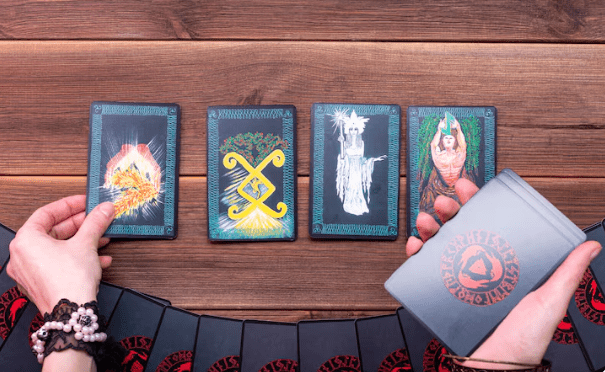
Does the response make a difference? Because they don’t want their work to become indistinguishable from collectibles speculation, some of the more considerate artists working in the format have begun to oppose booster-pack distribution. It’s truly questionable whether the medium can maintain its validity in the art world while relying on collectibles psychology, and the topic will likely be resolved in the coming year or two.
Additionally, the older artist-trading-card community is deeply affected by the loss of the original spirit of the genre. When Stirnemann began this in Calgary, the whole idea was that money would never be a factor. People wanted each other’s work, thus the cards were exchanged. For some of the originals, it feels like a betrayal to watch them become a market category, with grading services and resale markets apparently beginning to unite around the most sought-after cards.
They began with something modest and unadulterated and observed its optimization. Even though the plot line is so well-known in American culture that you could practically set your watch by it, many who experienced both sides of it still find it to be genuine.
