
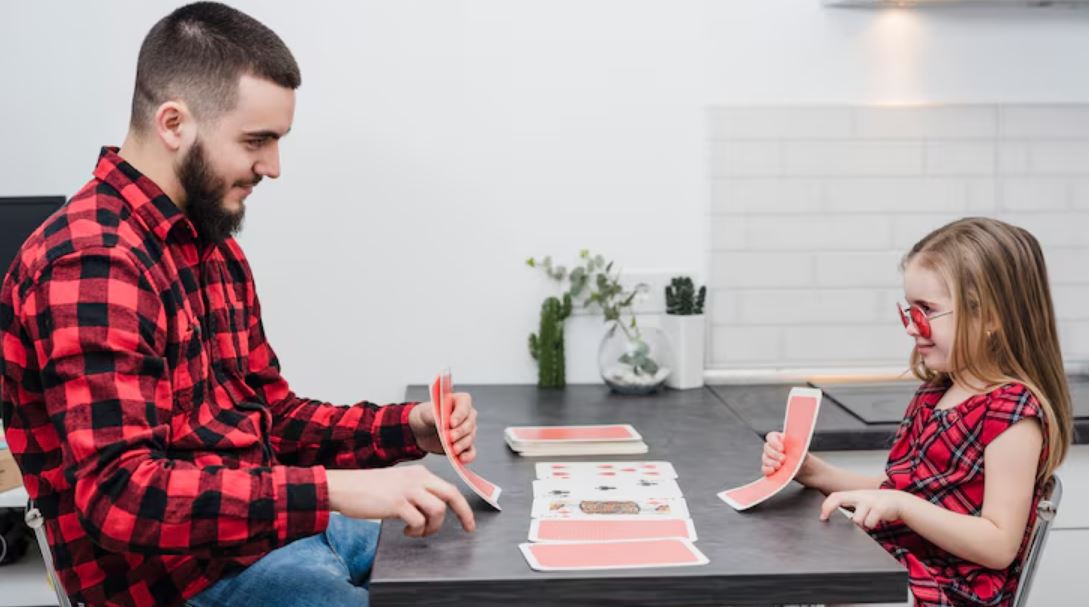
As these things frequently do, it began at the dinner table with a child taking something from a backpack. It’s not a math worksheet. Not a slip of authorization. A glossy little card with a black-and-white picture of a balding Frenchman on the front and a friendly bubble font summary of his views on power and prisons on the back.
That’s about how an increasing number of parents claim to have first come across theory trading cards, a classroom innovation that has become popular in some K–12 schools during the past year or so. The format blatantly appropriates Pokémon decks and sports cards. The back of each card lists a thinker’s key ideas, a well-known quotation, and perhaps a “power level” based on influence or citation count in place of batting averages. Foucault frequently appears. Teachers seem to favor Foucault for one straightforward reason: surveillance and panopticons translate surprisingly well into a card game that children can actually play. This also applies to Edward Said and Judith Butler.
It’s difficult not to find some humor in this. At recess, theory that was previously limited to graduate seminars—the kind of reading that causes second-year PhD students to reevaluate their life decisions—is now traded and shuffled. That’s precisely the point, according to educators who have embraced the cards. The argument goes that since kids already learn about systems, power, and justice from TikTok and school assemblies, it would be better to give them a more structured, gamified introduction rather than allowing them to piece together ideas from poorly understood memes.

It makes sense that parents have responded differently. Teachers answering the questions directly report that search interest in “who is Foucault” has clearly increased in school districts where the cards have appeared. To be honest, there’s a touching quality to it. At eleven o’clock at night, a parent who hasn’t given postmodern French philosophy much thought since a mandatory undergraduate seminar finds themselves researching it online in an attempt to determine whether their child’s classroom has gone rogue.
This would probably be immediately apparent to historian Steven Mintz, who has written about how critical theory now spreads more like pop culture than like philosophy. In the same way that previous generations absorbed Cold War paranoia from Mad Magazine, children already inherit theoretical vocabulary without reading the source material, such as “systems of power.” Because trading cards at least give the concept a name rather than a vague meme aesthetic, they simply make that process visible and possibly a little more honest.
It’s really unclear if this will continue to be a useful teaching tool. According to some educators, children are more interested in the game mechanics than the philosophy, viewing Foucault cards as valuable for trading leverage rather than intellectual content, much like they would a rare holographic Charizard. Some claim that a few fourth and fifth graders have begun to ask more pointed questions about the purpose of school rules. Depending on who you ask, this could sound like Foucault’s dream or his nightmare.
It’s obvious that this isn’t really about Foucault in particular. It’s about how contentious, abstract ideas are repackaged for a younger audience that is unable to respond, and how this repackaging eventually surpasses the authority of the original proponents. Nor did Rousseau write the script for his successors. Foucault most likely wouldn’t notice much of this if he saw a nine-year-old exchange his card for a Judith Butler. However, he argued throughout his career that ideas seldom remain where their creators leave them.
