

That weekend, the field at City Stadium was empty under a gray Lynchburg sky because the Hill City Howlers were traveling. However, the crowd in the concourse, which fans typically pass through on their way to their seats, was completely different. Tables lined the walkway, each piled high with binders, boxes, and cardboard covered in plastic sleeves that might not seem particularly noteworthy to an outsider. It appeared to be treasure to those gathered around them.
This was the first Lynchburg Card Show, and based on the attendance, it was obvious that someone had been looking forward to it. With children pulling at sleeves and pointing at rookie cards they recognized from highlight reels, families moved between tables. Sitting patiently behind their displays, older collectors—the kind who have been doing this since cards cost a quarter a pack—traded more stories than goods. It was difficult to miss the unique energy that results from a hobby finally having its own space.
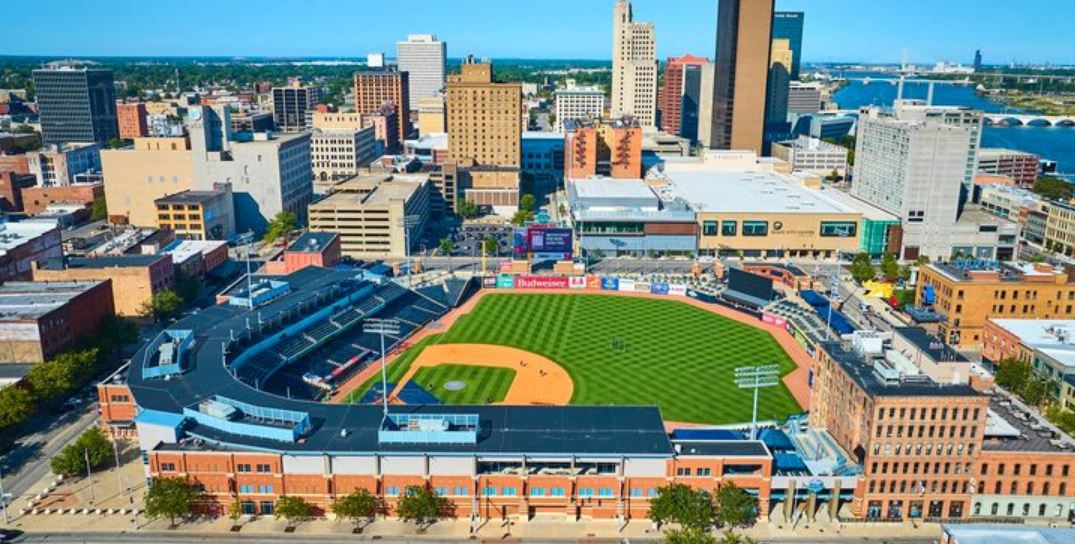
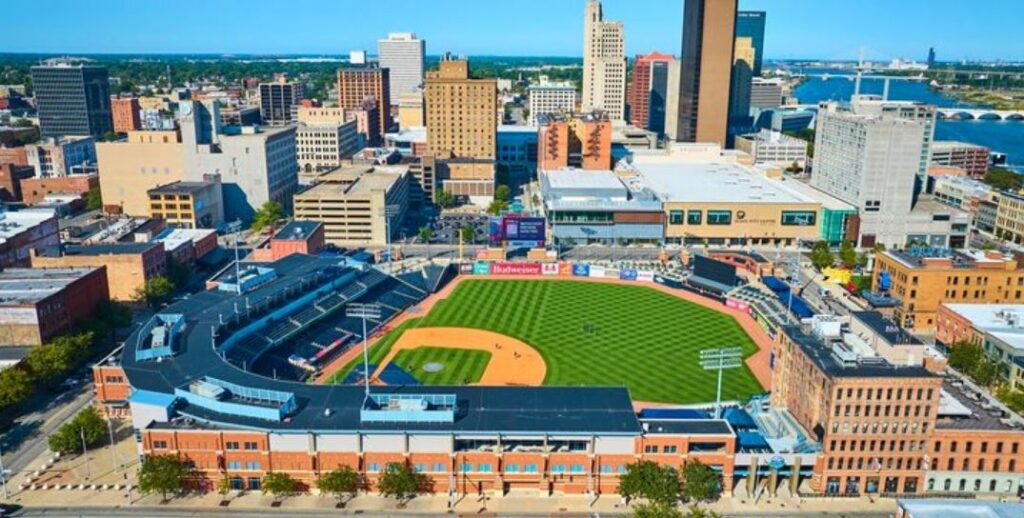
It’s important to note that City Stadium has recently undergone some changes. A ballpark that has existed since the 1940s is undergoing a $5.25 million renovation that will add new bars, a carnival area, and family spaces just a short distance from the location of the card tables. The card show was another indication that the old stadium is coming up with new ways to draw people in on days when there isn’t a game at all, even though it wasn’t included in the official renovation.
Observing people walk through the aisles, I was struck by how natural the entire experience seemed. There didn’t appear to be any enthusiastic performances for a camera. Kids who probably couldn’t tell you who played shortstop for the Howlers last season were as fascinated by a pack of unopened cards as anyone twice their age, while collectors gently haggled over prices, comparing notes on grading services and recent pulls. In a time when the majority of hobbies have moved online, that kind of shared attention seems almost archaic.
Recently, Lynchburg has expanded its gathering places beyond the ballpark. Only a few weeks prior, the city’s brand-new amphitheater debuted with a sold-out free performance that brought Grateful Dead and tie-dye covers to downtown for the first time. Different crowds, different sounds, but the same fundamental idea—that Lynchburg can accommodate a variety of communal experiences and that people will come when given the opportunity.
Whether the card show fades after one appearance or becomes a regular fixture is still up in the air. In this sense, hobby shows can be erratic; their success depends on word-of-mouth and whether or not the vendors think the trip was worthwhile. However, based on Saturday’s attendance, there’s cause for optimism. For the majority of the day, the tables were crowded, and many attendees appeared to be making plans for their next visit and considering what they would bring to sell.
It may seem like a strange diversion to spend a Saturday hosting binder pages and bubble mailers in a city stadium designed to host football and baseball. Perhaps that is precisely the point, though. For one afternoon, Lynchburg’s oldest ballpark found a new reason to draw people in that had nothing to do with the scoreboard at all. This is how old buildings remain relevant.
