

The noise is the first thing that hits you when you walk into one of these events on a Saturday morning. They take place in convention halls in mid-sized cities and hotel ballrooms in suburbs that most sports reporters never go to. There was no roar of the crowd or the whistle of the referee. Instead, there was the low, buzzing energy of hundreds of people hunched over card tables, bargaining prices in whispers while holding slabs of graded plastic up to fluorescent light like they’re checking for diamonds. It seems like the ways that football fans spend their weekends have changed in a quiet way.
It’s been getting harder to ignore NFL card shows for the last two or three cycles. In cities where the local pro or semi-pro team has trouble filling half of its seats, the number of people attending regional collector events is going up. That’s not a coincidence that you can just brush off.
The bigger collectibles trend is part of what’s driving this. It’s the same trend that led Lids to open shop-in-shops for Topps and Pokémon in its clothing stores, and it was the same energy that filled the Javits Center in Manhattan for Fanatics Fest last weekend. But NFL cards have a certain appeal. Football is the most-watched sport in the US, and its cards have a certain weight that other types of cards don’t quite match. There’s more to a Patrick Mahomes rookie auto in a BGS 9.5 slab than meets the eye. For many people in that room, it’s more like a way to save money.
Some of this might be passed down from one generation to the next. The younger people who come to these shows don’t think in the old ways; cards are different from jerseys and jerseys are different from the game experience. For them, there is only one style and way of life. You can care a lot about the NFL even if you’ve never been to a stadium. It’s really interesting to see this happen at regional shows, where a 17-year-old and a 55-year-old can argue over the same card for twenty minutes. There is a multigenerational thing going on that the league hasn’t quite figured out how to market to.
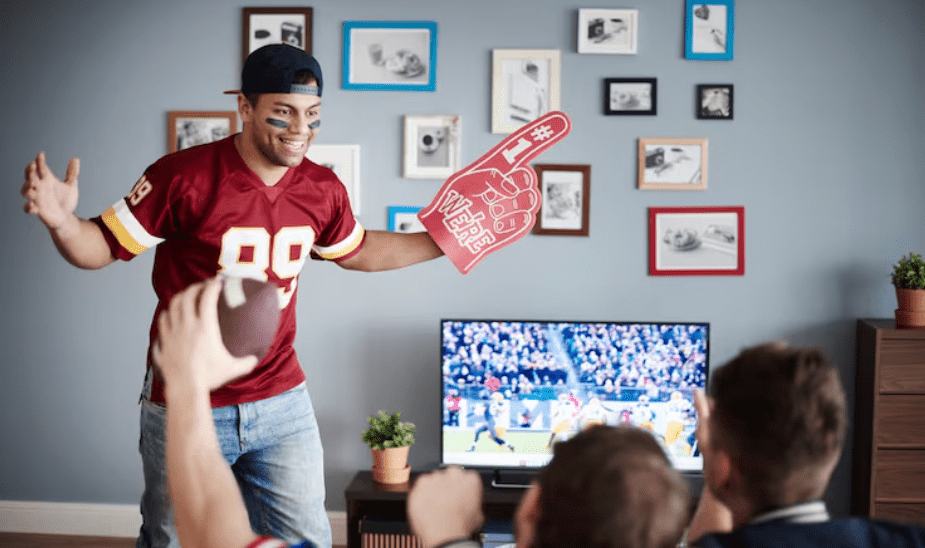
But the local game comparison is important, and it makes the traditional sports economy a little uneasy. A few thousand people can come through the doors of a Sunday afternoon card show in Columbus or Tucson in a single day. At the same time, local arena football, minor league, or developmental league games are struggling to get a few hundred people to show up. The money side of being a fan is changing. There is a reasonable fee to enter a card show, and when you leave, you might have something that has grown in value. Going to a minor league game costs money and gives you memories, which is fine, but it’s not the same thing.
The people who are putting on these events know what time it is. The better shows now feel like they were carefully chosen, with grading stations, player appearances, on-site authentication, and food trucks in the parking lot. The experience is getting more like what conventions do well, which is give people a whole day of useful activities instead of just sitting and watching for two hours.
It’s still not clear if this is a permanent change in the way sports fans behave or just a long peak in a cycle that will eventually cool down. Markets for collectibles have gone down before. But the people who come here on the weekends don’t seem to be living in a bubble. They look like they’ve found what they’re looking for. It’s not easy to make that.
