

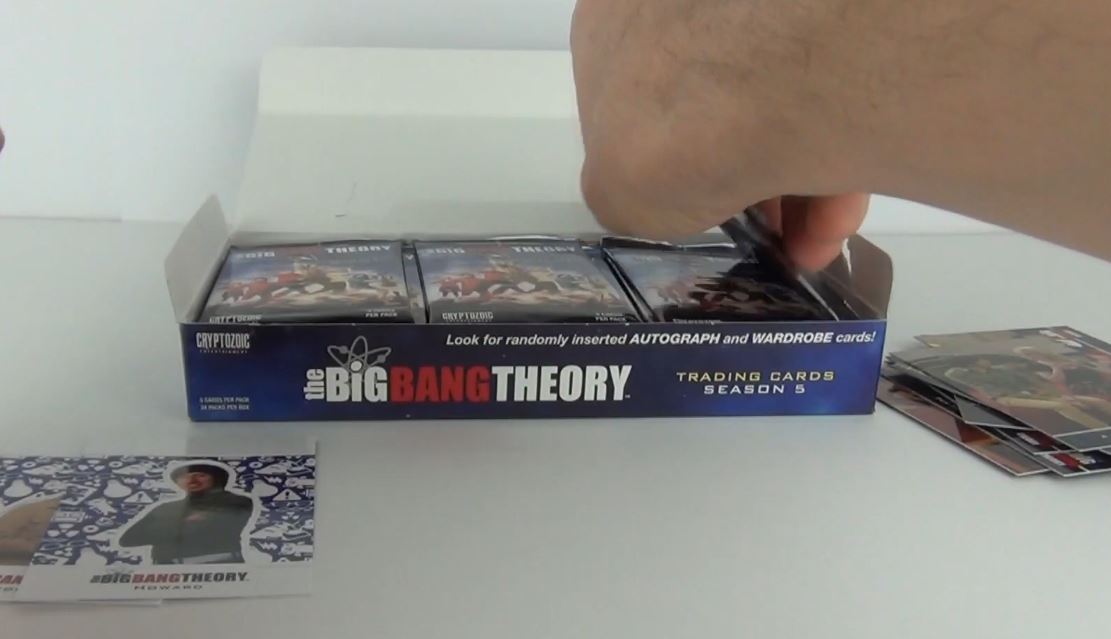
Every niche community eventually makes its way to Discord. Traders of sports cards arrived years ago. In those servers, collectors of Pokémon created whole economies. Oh, Yu-Gi-Oh! Long before most people knew what a server was, players debated decisions in dedicated channels. It was only a matter of time until theory trading cards became popular, and based on current online rumors, the server appears to be exactly what anyone familiar with TCG culture would anticipate.
The announcement was made quietly, with a post here, a share there, and the typical low-key rollout that usually precedes an unexpectedly vibrant community. Fans of theory trading cards, who previously dispersed their discussions throughout Facebook groups, subreddits, and comment sections, now have a dedicated Discord channel to call home. Depending on how much you like to watch collectors quarrel over card values at eleven in the morning, that may or may not be a good thing.
For fairly obvious reasons, Discord has emerged as the de facto hub for trading card communities. The format is effective. One channel for trades, one for theory-crafting, one for showcasing pulls, and one that eventually turns into a meme dump by the second week are examples of how channels can be divided by game, region, and purpose. Discord is used by the TCG Dojo to host webcam competitions. TCG Paradise facilitates meta-discussions for several games at once. Within the same server, Hideout TCG oversees live pulls, deck reviews, and competitive matchups. Communities tend to fill the infrastructure quickly.
The focus on conversation rather than transactions is what distinguishes a theory trading card server, at least in spirit. Although theory players tend to lean toward the analytical side of the hobby, the buy-sell-trade energy that characterizes many TCG Discord servers is still present and always will be. Deck construction arguments, card interaction debates, hypothetical scenarios involving cards that technically shouldn’t work together but somehow do. A particular kind of collector appears on every channel with a well-reasoned opinion and is adamant about not letting it go. Discord provides a platform for that personality type, which is drawn to theoretical content.
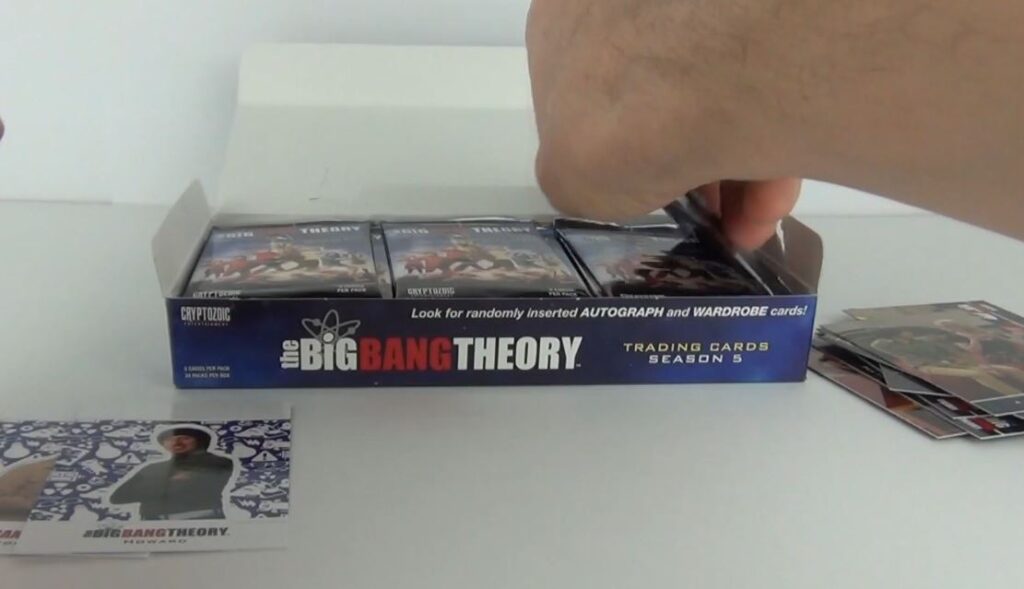
Discord’s recent actions in the TCG space are noteworthy. Recently, the platform sent creators physical packs of its own limited-edition trading cards linked to Nitro 2.0, letting the unboxing videos handle the marketing. Influencers chased secret rare variants, cracked packs on camera, and shared the results on YouTube and Instagram in videos that looked like any other collectible reveal. It seems that Discord recognizes the appeal. The introduction of a theory trading card server feels less like a coincidence and more like the logical next step in a larger moment for the TCG hobby because the platform is leaning toward it.
It’s genuinely difficult to predict whether this specific server develops into something significant or remains a comfortable online space for a few hundred frequent users. Consistent moderation, frequent events, and the kind of active membership that prevents channels from going silent for weeks at a time are characteristics of the best TCG servers. The worst ones peak in the first month and then gradually fade away, leaving behind rules that no one abides by and pinned messages that no one reads. Because theory communities are discussion-heavy by nature, they may actually be more cohesive than average because there is always something to debate, which attracts new members.
As of right now, the server is in place, collectors are locating it, and theoretical discussions are probably already in progress. The majority of the evidence that is currently available indicates that it is exactly what you would anticipate. It’s not a critique. Sometimes the community needed exactly what you would expect.
