

You’ll notice a change if you visit practically any card store in America today. The glass cases continue to glow with the same recognizable hues—chrome, refractor, and autograph stickers tucked under protective sleeves—and the man behind the counter still sports a faded team jersey. However, if you take out your phone and aim it at a card, an algorithm somewhere will tell you the exact value of that piece of cardboard in a matter of seconds. The pastime still has its soul. It is merely receiving some mechanical assistance.
The trading card market, which flourished during the pandemic years and never fully recovered, has turned into an improbable testing ground for AI tools that are altering collectors’ decision-making processes. Businesses like Ted Mann’s co-founded mobile scanning app CollX have developed platforms that enable anyone to take a picture of a card and instantly obtain a market valuation taken from a database of 20 million cards. When his 12-year-old son began collecting during the lockdowns and kept getting burned by vendors who knew more than he did, Mann got the idea. That origin story—a child losing money due to unequal information distribution and a father determining that it was a problem worth solving—has a subtle telling quality.
Prior to the availability of such tools, determining the value of a card required hours of eBay searches, cross-referencing sold listings, and attempting to recall whether or not a specific parallel was short-printed. It now takes a few seconds. Although this effort compression may seem purely practical, it’s actually doing something more structurally important: it’s leveling a market that previously rewarded those with the most connections, time, or knowledge. Small collectors who were previously exploited at flea markets and yard sales now have access to real-time pricing.
Valuation is not the end of the change. The way Americans buy and sell nearly everything is changing more broadly, with AI agents starting to manage transactions on their own. In late May, Robinhood made headlines when it introduced tools that let users completely delegate credit card purchases and stock trading to AI agents. This allowed algorithms to execute orders, find deals, and rebalance portfolios with little to no human involvement. Vlad Tenev, the CEO, described it as democratization. The degree to which you trust an autonomous system with your money will likely determine whether that is optimistic or naive. Although the company did incorporate some safeguards, such as separating agentic accounts from main portfolios, it is still unclear who is actually in charge.
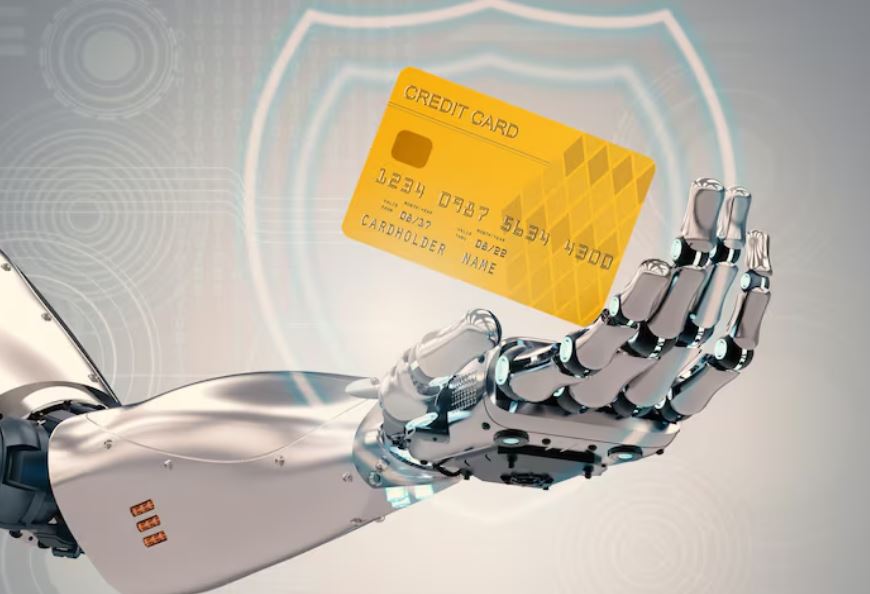
Although it’s still unclear if fully autonomous purchasing will specifically make its way into the trading card industry, it seems inevitable. In that regard, authentication has already made progress. The grading and verification of cards and collectibles, which previously relied solely on human experts squinting at surface scratches under fluorescent lights, has been transformed by AI, according to Dan Van Tran, Chief Technology Officer of Collectors. Part of that work is now being handled by technology, which begs the obvious question of what happens to the graders.
At the heart of all of this is a genuine tension that hasn’t been settled yet. Fundamentally, collecting is an emotional activity. Not only are people purchasing assets, but they are also purchasing nostalgia, memories, and the ghost of a 1989 game-winning home run. An algorithm is not sensitive to that. Sales history, population reports, and recent auction data are all visible. A textural aspect of the hobby may be subtly eliminated when AI begins to mediate more of those transactions. For many collectors, the deal made at a card show and the handshake-ending negotiation are important, and it’s difficult to see a bot copying them.
However, Mann estimates that 85 million adult Americans possess trading cards. That amounts to about one-third of the nation. Inefficiency isn’t appealing for a market that size; it’s costly. Here, AI is solving actual issues rather than creating fictitious ones. Determining how much automation this specific aspect of American life can absorb before it ceases to feel like a hobby and begins to feel like a spreadsheet will be the challenge, as usual.
