

It’s kind of relaxing to be in a room full of people on a weeknight flipping through binders. There won’t be any screens to distract you. Don’t make ambient DJ music that tries too hard. There was only the soft rustling of card sleeves and the occasional “what do you need for that one?” That’s what it looks like at a sports card shop in Toronto where NFL trading nights happen every month, and lots of people keep coming.
A lot of hobby gatherings start out quietly. This one did too. The owner of a shop probably got tired of seeing collectors look around alone and leave without really talking to anyone, so they decided to set a date and open the floor. It was easy to see why: people who like the same things tend to enjoy being with each other. The less certain thing is whether that instinct will lead to something that sticks. It has here.
This month-to-month format seems to be more important than it might seem. It can feel like you have to go to events every week. One-time events are hard to remember. Monthly finds a rhythm that collectors can work with so it doesn’t become something they don’t like. People come with new things they want and things they want to pull. There is also a low-stakes vibe because they know there will be another one next month if tonight’s trade doesn’t work out.
When people collect NFL cards in particular, they use their own unique set of rules. In North America, football is still the most-watched sport, and the card market for it has changed a lot over the years, from wax packs and regular cards to high-end autographs and patch cards that regularly sell for a lot of money at auction. There is something a little strange about the fact that an NFL card community is forming around a shop table in Toronto, where the CFL is still very important to culture and the NFL is mostly seen on TV rather than being played at home. Still, they’re here.
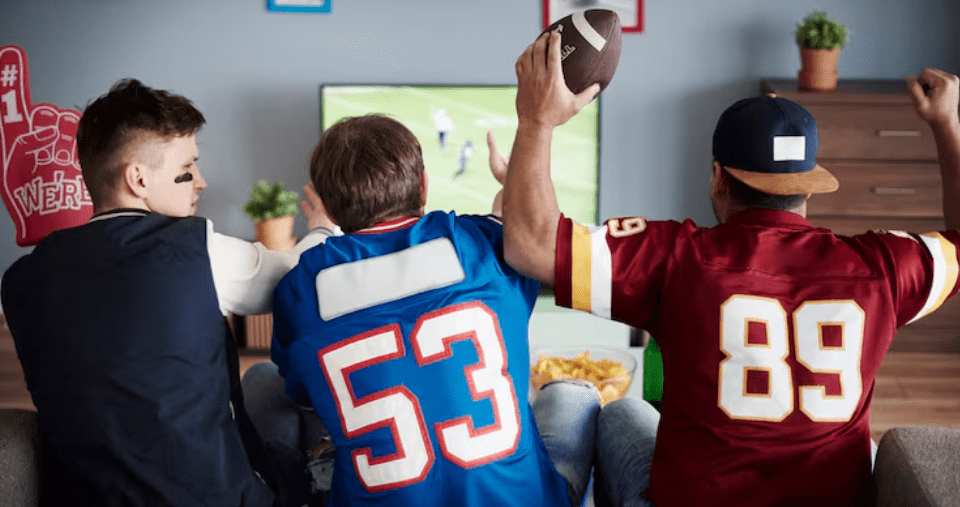
The people who show up are not all the same. Collectors who were around in the early 1990s remember taking Joe Montana and Jerry Rice cards out of foil packs and holding them up under the fluorescent lighting in a convenience store to check the corners. Some younger collectors got into the hobby through Snapchat and YouTube pack breaks. These people see cards more as assets than artifacts. It works out that those two groups end up sitting next to each other at the same table. People in the hobby talk about the same things all the time, like the grading scales, the set names, and the rookie year arguments. This seems to smooth over differences that might be more important in other places.
Also, it’s important to note what these nights are not. It’s not a flea market. They’re not seminars on how to invest money. There is no one with a microphone standing up and talking about portfolio strategy. From what people have said, the atmosphere is really casual, more like the relaxed back corner of a card show than anything like a business deal. A more interesting question might be whether that tone stays the same as the crowd grows.
In North America, community-based hobby events have almost come back to life in the last few years, riding the wave of renewed interest that came after the card boom during the pandemic. Naturally, some of that boom went away. As the speculation died down, some prices went back up, and people who were only interested in making quick money moved on to the next thing. In many cities, the people who liked the hobby were the ones who stayed. It seems like that’s exactly what happened with Toronto’s NFL nights.
You can still make this bigger, or it can stay the same, which is what a lot of niche groups do. But for now, once a month, binders and single-card top loaders fill up a room, and people who like the same things meet each other without much of a reason. That looks like enough.
