

Right now, people in the Sacramento area are doing something on the weekends that looks like a game to the outside world. A table. A stack of sealed boxes. You might pay as much attention to a father and his son pulling cards from foil wrappers as you would to reading a financial report. That’s a pretty good way to describe some of these families.
Anthony Peluso had no plans to run a Pokémon card shop. He managed a sales team for years at a company that sold alcohol before he was fired last October. In Orangevale, California, the man turned to a secret hobby he’d had since childhood: he loved Pokémon cards. This hobby began in the late 1990s, when the Pokémon franchise first spread like a fever through American schools. What began as a hobby turned into something more like a business almost by necessity. He now buys and sells cards online, mostly sealed booster packs, and makes almost as much as he did on his old job.
He still feels bad about one thing. Peluso missed the chance to buy a lot of 2016 sets when they were still cheap. He’s no longer thinking about it. “This date would be a lot better if I put all of my money into Pokémon. I’m sick of saying that.” “I’m going all in now,” he says. More and more collectors in the Sacramento area seem to be changing the way they think about Pokémon. They no longer see it as a hobby, but as an investment with real risks and real potential returns.
For better or worse, the market as a whole seems to agree with that gut feeling. Anthony Wescom, manager of Constellation Collective Sacramento, a hobby shop that sells about fifteen different trading card games, says that the current demand spike for Pokémon cards is the biggest one the market has ever seen. It’s even bigger than the boom during the pandemic, when many bored adults rediscovered their childhood hobbies. Since Surging Sparks came out in November, his store has only gotten about an eighth of the orders it normally gets from distributors. Everything that comes in sells out in a few weeks.
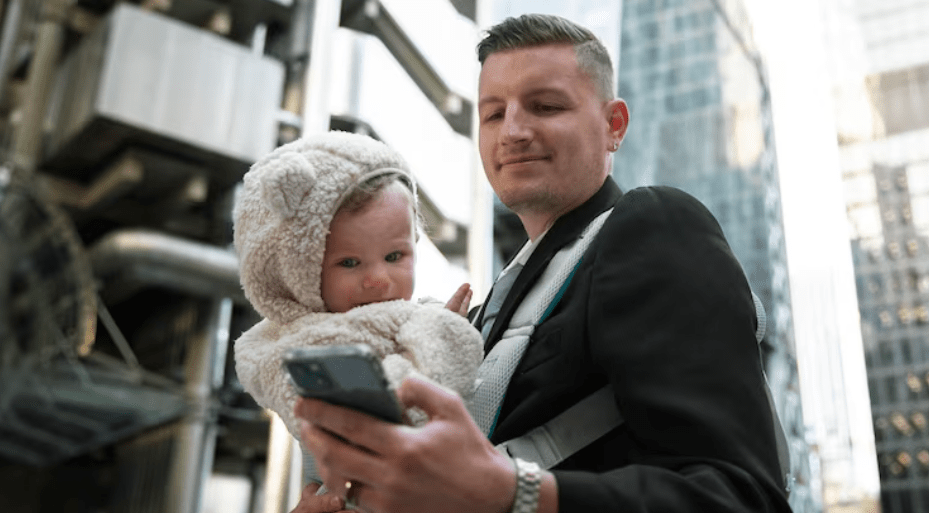
Pokémon started out as a series of Japanese video games where players caught and fought magical creatures. In 1998, the games came to North America. The anime, trading cards, and other products that came after made the series into the highest-grossing media franchise in history, bringing in an estimated $147 billion. That number doesn’t really mean anything. It seems more real when you see it happen in real time at hobby shops in Sacramento, tournaments on the weekends, and kitchen tables all over the region.
The nostalgia angle is important here. Prices are slowly going up because millennials, who are now in their thirties and forties and making real money and carrying real memories, are doing it. Some people are trying to put together collections that their parents threw away. For example, Paula Erath, a graphic designer in Sacramento, had a really cool Charizard card when she was a kid. It was sold by her mother without telling her. Erath no longer talks to her mother. She now collects new cards with her husband and 10-year-old son. She calls it a ritual that brings them together. It’s getting too expensive for her now, though. She says she did not look at prices on purpose so she would not be tempted.
In some ways, the heart of this market is the bond between generations: a parent and child opening packs together and arguing about which Pokémon is the best. Peluso has found a way to make money off of it. He finds cheap old cards and puts them together in his own mystery packs to make them feel like opening a real booster pack. They’re moving quickly, he says. That makes sense in some ways. In a market where supplies are tight and prices are raised by scalpers, the nostalgia of old cards has become its own form of money.
Scalpers still make people very angry in the community. Resellers watch out for big-box stores and vending machines, buying goods before regular people can get to them and then selling them online at huge markups. Peluso doesn’t like it, but he knows why it works: people are willing to pay those prices. It’s still not clear if there will be any action from the government or distributors, but for now, the shortage is making some collectors give up the hobby altogether.
A small but strong economy based on cardboard is slowly but surely taking shape in the wake of all this. Families in the Sacramento area are getting involved in different ways. Some are investing, some are reselling, and some are just trying to play the game. When dads and sons tear up packs at the kitchen table, they probably aren’t thinking about market peaks or margins. But they’re funny because they’re both part of the same story.
