

Discovering a 1952 Topps Mickey Mantle card in a flat off the South Circular Road is a little strange. For at least one collector in Dublin, though, that kind of find is nothing out of the ordinary. Today is Tuesday.
In Ireland, sports card collecting has grown into a small but dedicated community over the past few years. At the heart of this community is a man who ships American baseball cards over by the crate, and regulars at the Dublin Card Show know him right away. Not by the sleeve or the carefully wrapped single card in a toploader. By the box.
His procedure, if you can call it that, began the way these things do. A few cards that were picked up for a low price. A growing interest in sets from before the war. Some late-night bids on American auction sites for things that no one else seemed to want. After a while, the amounts got bigger. What began as a personal habit turned into more of a small import business, with boxes coming from estate sales in Tennessee, antique dealers in Rhode Island, and even the occasional attic cleanout in New England.
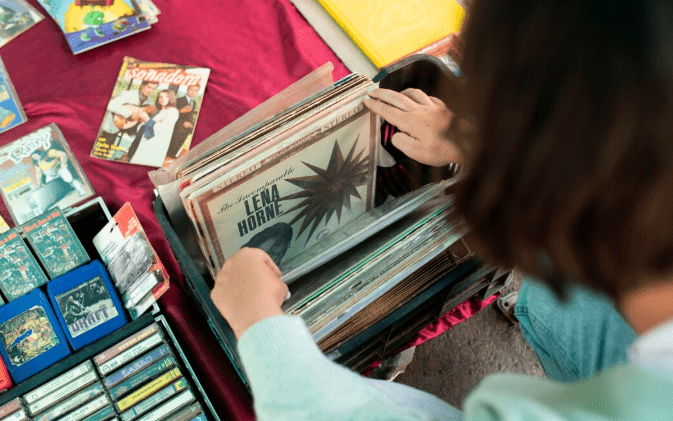
Take a moment to think about why this is important. Baseball cards, especially those from the 1950s and earlier, are cultural artifacts that have nothing to do with baseball. The typography, photography, and printing quirks show a very specific side of mid-century America. Collecting them from outside the US adds a strange dimension, a distance that, for some reason, seems to make the appreciation stronger instead of weaker.
A lot of people who know this already go to the Dublin Card Show, which has become one of the most important events for collectors in Europe. If you walk around the floor for an hour, you’ll hear people talking about everything from Cy Young’s career ERA to the current market for grading pre-war cards. Suddenly, the conversation will switch to the best way to pack a shipment from Boston so nothing bends during transit. There is a real subculture here, and it’s not giving anyone a show.
Someone brings in crates of American baseball cards and hauls them across the 4,000-mile Atlantic Ocean to store them in an Irish home. It’s likely more than one thing at the same time. The thrill of the find is part of the reason. Some American house clearances and estate sales still have collections that haven’t been touched in decades, like when someone’s grandfather stopped watching the Brooklyn Dodgers. Partly the arbitrage, the idea that some cards are worth less in markets that don’t fully understand them. There’s also a love for the thing itself, the worn corner, the faded color, and the name of a player most people have never heard of. This is harder to explain.
It seems like the market for American sports cards in Europe is still getting used to itself. Prices here don’t always match what the same card would fetch in the U.S., which can go either way depending on what you have. However, importing by volume makes sense for a collector with enough time and space on their shelves.
It’s still not clear if this will stay a hobby project or turn into something more official in the future. It’s clear what the commitment is. The boxes keep coming.
