

Certain types of loss don’t make themselves known very loudly. There was no harm. Not a single landmark fell. Somewhere in Auckland‘s industrial belt, a warehouse was burning all night while the city slept. Inside it, a collection of trading cards, letters, and printed matter from before the war that had made it through rationing, blackouts, and two world wars had just stopped existing.
The fire in Auckland that destroyed a rare collection of pre-war cards didn’t make news around the world. Of all the sad parts, that might be it.
People who knew about the collection, like collectors and archivists, talk about it with the same respect that museums usually show their collections. The archive was said to have hundreds of cards from before the 1940s, the kind that came in cigarette packs and tea tins. They were printed in small batches, sometimes for local events, and were often sorted and cataloged by hand by the person who collected them over many generations. New Zealand’s print culture before the war wasn’t really well kept to begin with. Because the country is so new and far away, its institutions didn’t always remember that its written history was important enough to fight for.
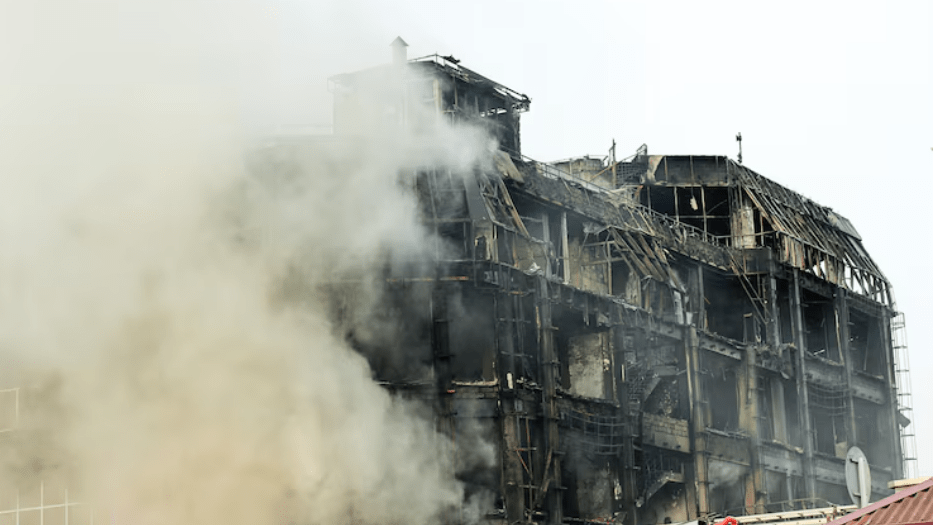
There’s a chance that an electrical fault caused the fire. Early reports seemed to say the same thing. The warehouse wasn’t built to be an archive; it was the kind of space that can be used for more than one thing in a mid-sized city, like storing furniture along with filing cabinets and old stock along with personal items. The archive got there in a way that a lot of things do: by accident, because someone was trying to protect it on a budget, or because they thought tomorrow would be better than today to figure out how to store it properly.
It wasn’t just the collection’s age that made it stand out. Before the war, New Zealand cards are in a strange place in the world of card collectors. They are too local to get serious attention at international auctions, and they are too broken up to have ever been properly cataloged at the national level. It looks like this archive was different from what was in the Auckland Museum, Te Papa, and the Wellington Alexander Turnbull Library. Yes, for individual sets. Pieces spread out. Not this kind of put together, cross-referenced depth, though.
Having printed records of New Zealand’s past has never been easy for the country. During the 20th century, the country moved quickly, and speed doesn’t lend itself to preservation. When record stores closed, no one took pictures inside them. Labels got folded up, and their masters were gone. The community’s records were kept in church basements until the building needed repairs. The pattern keeps happening over and over for decades.
It looks like there were only a few people who really knew the archive. They say that some parts of it had never been properly photographed. That the rarest pieces were still in their original sleeves or envelopes, rarely touched and kept out of the light. It was clear that someone had taken care of this for a long time. That was burned down in less than an hour.
It’s still not clear if there was any insurance paperwork or if anyone had already tried to get in touch with institutions about buying or digitizing the records. If those talks did happen, they didn’t get us anywhere in time.
What’s left is only a partial inventory, put together from memory by the people who used to stand in front of those shelves and turn those cards over. That kind of information is hard to put into a spreadsheet. It stays with the people who carry it as long as they do.
The fire makes people in Auckland who collect things feel a mix of grief and frustration. Things have been lost in the city before. It will lose things once more. The thought that this one didn’t have to go the way it did is hard to shake.
