

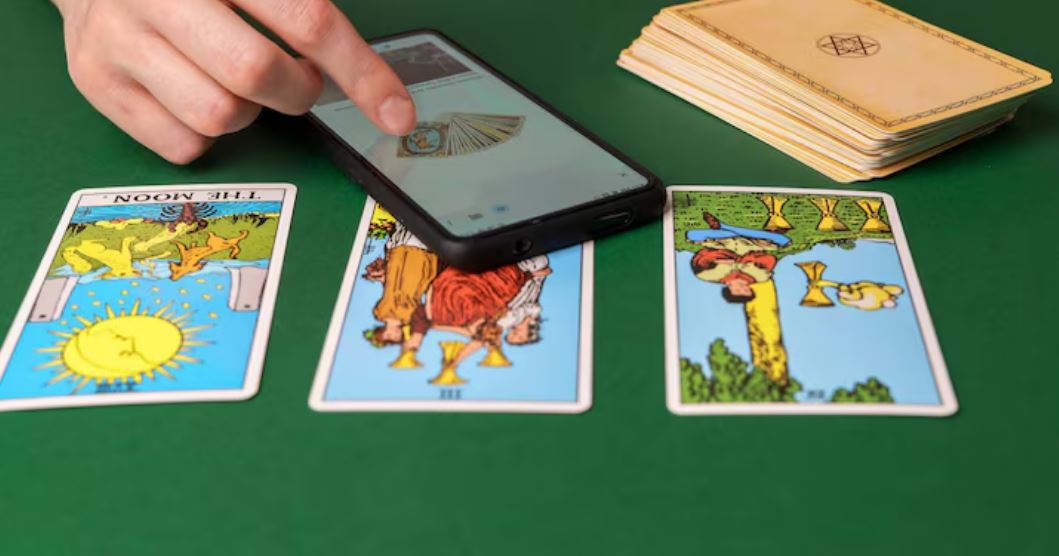
The recent endorsement of Theory Trading Cards by a major American university press contains a small irony, the kind of irony that academics, if they’re being honest, tend to like. The cards themselves are simple items. Each one is palm-sized, double-sided, and contains a portrait and a condensed synopsis of a thinker, such as Stuart Hall, Michel Foucault, Bell Hooks, or Jean Baudrillard. You could slide the entire set into a jacket pocket by shuffling them like a deck. The format makes no indication that it should be included in a scholarly catalog. And yet, here we are.
Like many things that have a subtle impact, the project started online. When the original twelve digital cards started to circulate among lecturers searching for something, anything, that broke through the glazed-eye reaction that Baudrillard tends to produce at nine in the morning on a Tuesday, David Gauntlett’s theory.org.uk was already a popular destination for media studies students. The printed version increased the number of cards to twenty-one and gave each entry additional context. There were some minor changes, but the format remained unchanged. The wager was that a physical object that could be held, turned over, and placed on a desk would function differently in the mind than a PowerPoint slide that dissolved into the next one.
Why anyone anticipated that to be true is worth considering. It turns out that the solution has been readily available for almost thirty years in school bags and toy stores. Pokémon cards are a unique type of tangible item that links Japan to the rest of the world, the digital to the physical, and the past to the present. According to Flinders University researchers, the cards appeal to a more ancient and innate human urge to collect, arrange, and contrast than nostalgia. In essence, Theory Trading Cards use the same operating system. They recently replaced Charizard with Foucault and are hoping that the wiring will hold.
There is more to the Pokémon parallel than meets the eye. The Pokémon trading card game, which combines strategic gameplay with collectible culture, has become a worldwide phenomenon since its 1999 North American debut. The ritual of sorting and classifying, the satisfaction of possessing an entire set, and the social currency of understanding which cards were important and why were all factors that contributed to its enduring appeal. Theory Trading Cards follow precisely that reasoning, and doing so on purpose has an almost playful quality. For years, the academic community has been concerned about diminishing attention spans and the competition from compulsive platforms. In that situation, a physical card with three simple sentences about simulation theory is practically provocative.
This concept was further developed by Theory Underground’s Canon: TCG project, which suggested a fully playable liberal arts trading card game intended to compete with Magic: The Gathering is in-depth but still reachable for a road trip with the family. There is a certain garage-startup vibe to the origin story, which involves a two-day car ride and a husband and wife exchanging ideas about game design and pedagogy. However, the game’s goal is genuine: at a time when academic specialization has made philosophy, history, theology, and the sciences seem alien to one another, the game seeks to reunite these fields under one intellectual roof.
Whether either project can bridge the gap between enthusiasm and habit is still up in the air. Gamification has a long history of making a big splash before quietly fading away once the novelty wears off. The insistence on remaining analog and the refusal to include an app or a leaderboard seem to be different in this case. The cards are nothing more than cards. Although hype cycles surrounding collectibles rarely end neatly and trading card markets are susceptible to manipulation, Theory Trading Cards never really pursued that market. They were attempting to do something unfamiliar and, in some ways, more difficult: give abstract concepts a sense of worth.
The university press endorsement is more important as a signal about potential future directions for academic culture than as confirmation. In the past, publishers have viewed anything that looked like a game with the same distrust that is typically reserved for self-help books. It’s not insignificant that a press with reputable academic credentials examined a stack of trading cards with cultural theorists and determined it was worth supporting. It implies that a question that game designers and Pokémon collectors have long understood has been raised by someone in institutional academia: whether or not people actually absorb something depends on its format. One of those cards may serve as a reminder that the message is the medium.
