

When people tell you that your hobby is pointless, it’s kind of satisfying to see it quietly become more valuable than going to college. That’s about where one Irish teen is now, with a Pokémon card collection that, depending on how you count it, has grown faster than the cost of four years at a good Irish college. He didn’t plan to build up a collection of stocks. The cards were always important to him.
It’s more important than it sounds to make that distinction. A lot of people have had Pokémon cards at some point. They may have put them in binders, filed them away, or traded a Charizard for something they no longer remember. It’s not really luck that sets collectors like him apart from everyone else. He paid attention when other people stopped. It was clear to him which cards were being quietly taken out of circulation, which prints were harder to find than the market thought, and which conditions could make or break a card’s value.
Anything can happen in this world. A card that doesn’t have any major flaws may not be worth much to a serious buyer if there is even the tiniest crease along the edge or scratch on the holographic surface. Cards are sent to specialized companies that look at them under a microscope and give them a score, usually out of ten. The grading process can make the difference between a card worth fifty pounds and one worth fifty thousand pounds. People who collect coins say that a perfect ten is like gold dust. A lot of cards never make it there.
The fact that this isn’t just about nostalgia is just now becoming clear to more people. There is a clear emotional pull to cards from the late 1990s and early 2000s—the first prints, the first runs, and the sets that came out when the franchise hit the UK and Ireland and quickly took over every schoolyard. But modern cards can also be very valuable. You can get a lot of money for a card from a pack you bought last month if it grades perfectly. The market is now really complicated, and it pays off to study it carefully instead of just being emotionally attached to it.
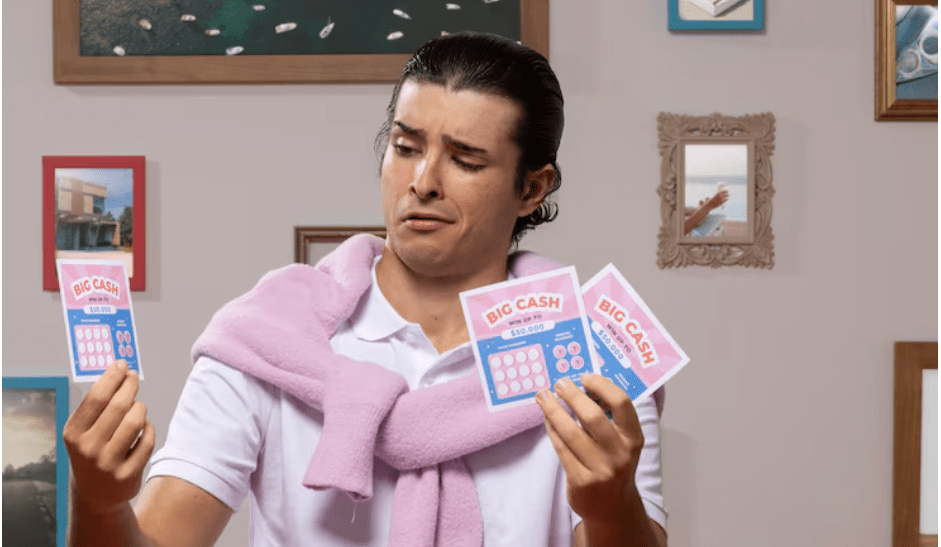
It’s still not clear if this kind of collecting is a good long-term investment or if prices will drop over time. If someone says they know for sure, they’re probably trying to sell you something. Card prices can change overnight for no clear reason. This can happen because of changes in collector trends, social media attention, or tournament results that are hard to predict. That lack of predictability is what makes a collection worth a lot more than anyone thought it would be, and it’s also what keeps serious collectors watching the market instead of just sitting back.
For some reason, this story isn’t really interesting because of the money. That’s what the money stands for. Ireland is a place where people are very focused on following the typical academic and career paths. One teenager made a lot of money by really caring about something that most adults would have written off as a phase. This story can end with the cards being put in a bin bag and left in the attic. He just made different decisions over time, ones that were more patient and well-informed.
It is up to him whether he sells, holds on to, or keeps adding to the collection. It’s hard not to notice, though, that while people talk more and more about college costs, student loans, and the value of a degree, a kid with a binder of cards has quietly found his own answer.
