

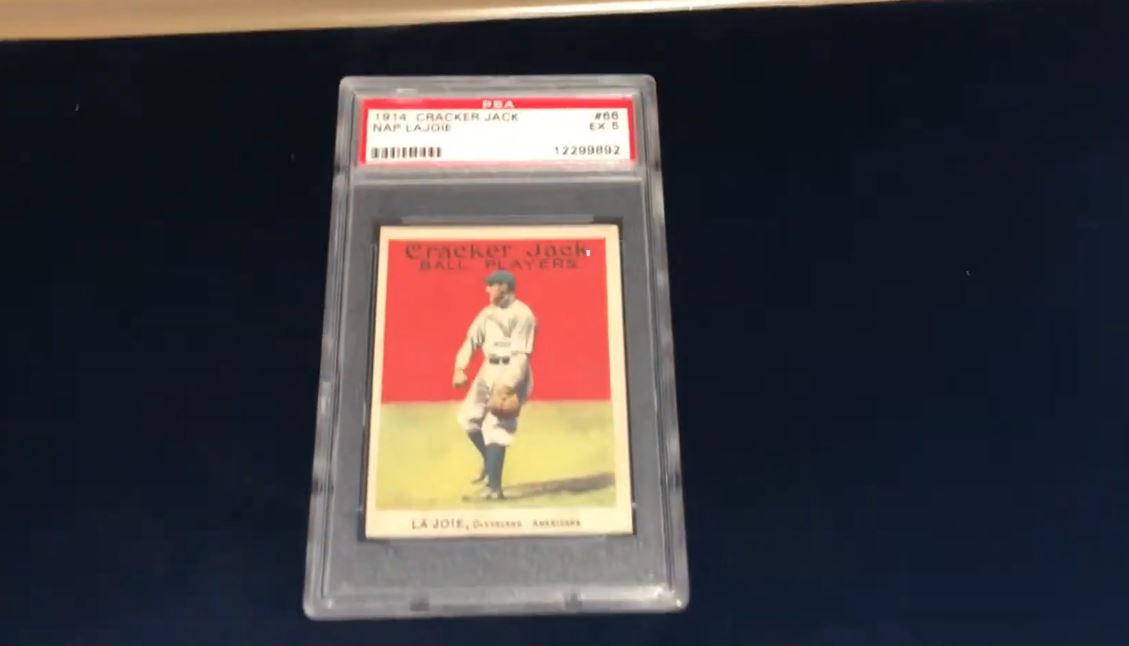
The fact that the most disputed items in American sports memorabilia are typically the smallest has an almost poetic quality. Barely larger than a business card, this thin cardboard rectangle has sparked more court cases, fraud convictions, and awkward discussions about trust in the hobby than almost any other collectible. One of the rarest finds in the entire trading card world, a Cracker Jack variation of an Honus Wagner card, is currently at the center of a new ownership dispute that the collecting community can’t stop discussing.
The lawsuit, which was filed in April on behalf of lead plaintiff Eric Savoy, calls into question how cards are transferred, who has the legal right to claim ownership, and whether it is ever possible to establish a clear chain of custody for a card this rare. The complaint raises class-action issues, implying that this may not be a dispute over a single card but rather a more comprehensive examination of the flow of valuable memorabilia through undocumented transfers, private transactions, and auction houses.
Even Wagner never made things simple. In 1909, the American Tobacco Company printed his image inside cigarette packs as part of the now-famous T206 series. According to reports, Wagner objected and had his cards removed from production. A few surviving rectangles of lithographed cardboard became some of the most valuable items in sports history as a result of the extreme scarcity. The Cracker Jack variant, which is linked to the 1914 and 1915 candy-and-prize sets, is a completely different animal. It is rarer on its own and has historically received far less attention than the T206, whose authenticity has been questioned in federal court.
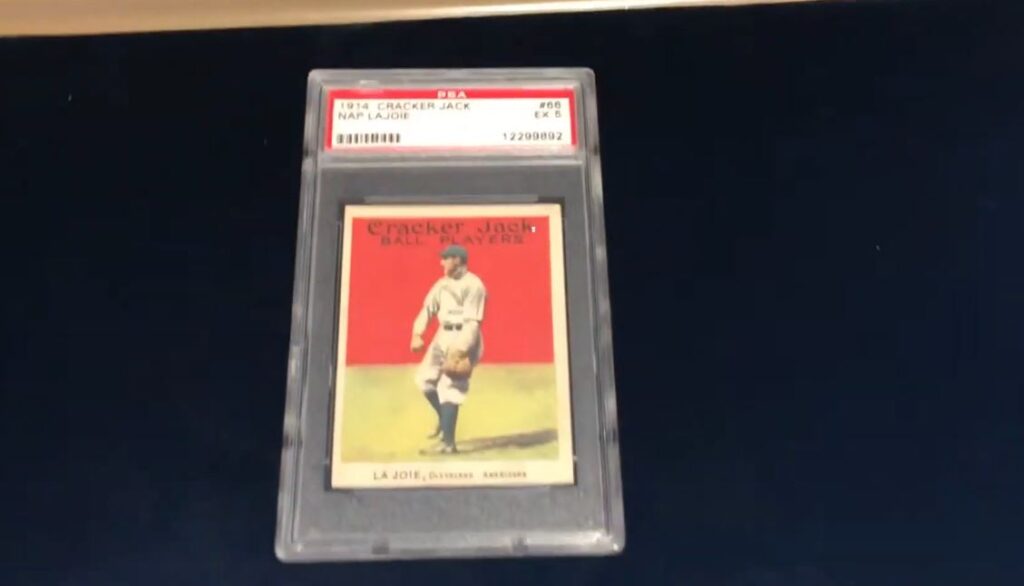
This conflict is shadowed by that T206 history. Former Mastro Auctions CEO Bill Mastro admitted to trimming the renowned “Gretzky Wagner” T206 card in order to improve its grading and, consequently, its market value when he entered a guilty plea to mail fraud in U.S. District Court in 2013. Collectors were left wondering how many other cards in circulation had been subtly altered by individuals who knew exactly what a millimeter or two could mean at auction after this confession rocked the hobby. Scandals like that leave their mark. It increased collectors’ caution and possibly increased the likelihood of ownership disputes.
The provenance of the Cracker Jack Wagner, which is currently under legal dispute, is said to be unclear. In a hobby where cards went through shoeboxes, estate sales, and private handshakes long before anyone thought to record anything, these kinds of gaps are common. A murky provenance, however, is not a romantic origin story in a courtroom. It’s a risk. Furthermore, the financial stakes make any ambiguity worth fighting over because the card could fetch huge sums of money depending on its condition and authenticity.
It’s difficult to ignore the fact that these conflicts always seem to occur at the height of values. Early in the 2020s, the hobby saw incredible price increases; in August 2022, a 1952 Topps Mickey Mantle sold for $12.6 million, shattering all previous records. Every contested ownership claim suddenly carried the weight of a real estate transaction as premium cards rose to prices previously only found for fine art. Just the name Honus Wagner conveys that level of seriousness. His face on a card is worth debating whether it’s a T206, Cracker Jack, or any other variation.
Beyond the court documents and provenance issues, what the lawsuit ultimately boils down to is a long-standing issue in the collecting community: who gets to determine the true history of a card and who gets to profit from it. The condition of a card can be verified by grading companies. The origins of a lithograph can be traced by historians. However, creating a clear chain of ownership for an item that has been in private hands for decades is a completely different issue. Sometimes courts lack the necessary tools to resolve the issue.
The card is currently under dispute. The Flying Dutchman’s image continues to gain value and complications somewhere between its Cracker Jack beginnings and a contemporary courtroom.
