

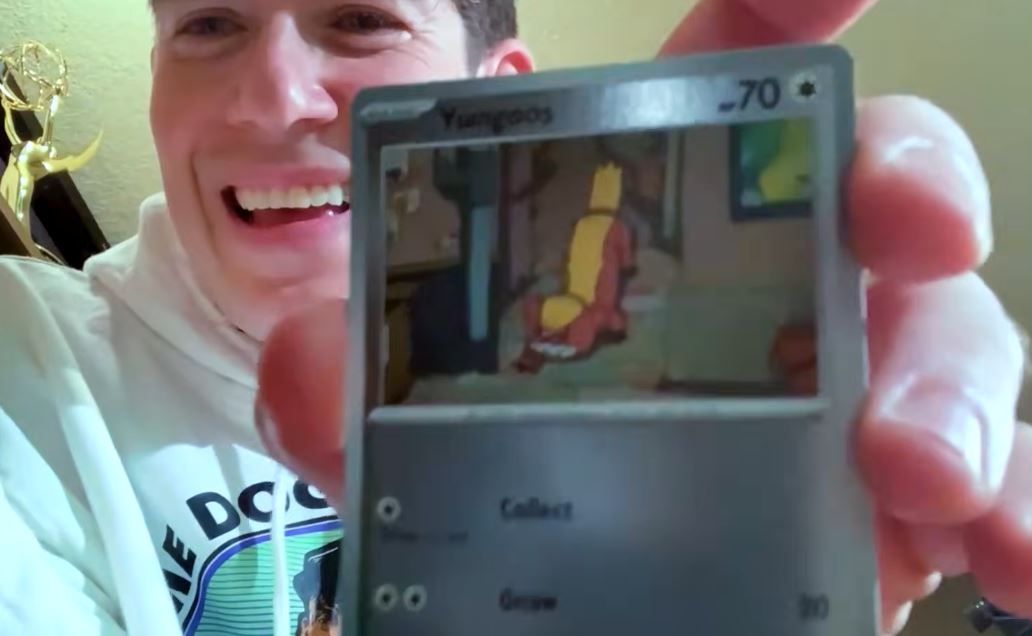
Between the protein shakes and batting gloves in some MLB clubhouses these days, you might notice something unexpected: a binder full of graded trading cards, sealed in hard plastic slabs, sitting on a locker shelf like a trophy. It’s not a joke. It’s not a ploy for sponsorship. It’s only Tuesday.
Even though it makes sense once you hear it, the tale of how card collecting quietly became popular in professional baseball still surprises you. During the darkest period of his career, Chris Sale—one of the greatest pitchers of his generation—basically fell into the pastime. After breaking a rib, a pinky, and a wrist in different incidents during a single season, he was stuck on the injured list and was at his wits’ end. It was sufficient when a family member was cleaning out a house and discovered an old collection of Pokémon cards. In September 2022, Sale purchased his first card, a 1999 Base Set Charizard. The rest, as they say, were graded and slabbed.
It’s not just Sale’s collection that’s intriguing. It’s the depth of his collection. PSA-graded cards in the thousands. He refers to this area in the attic as his “Pokémon lair.” He has repeatedly submitted a Rayquaza card for regrading because he believes it should be rated higher than the 8 it consistently receives. It has a baseball-like stubbornness to it. He informed reporters that he would continue to strive for a better grade on that card until he was 85 years old. A casual interest is not the source of that kind of resolve.
Sale is not by himself, either. Jacob Misiorowski, the star player for the Milwaukee Brewers, goes to card shops in every city his team visits. Zach Neto and Mike Trout both hit home runs the following day after cracking open Pokémon packs in the middle of a slump. Will Klein, Nick Pivetta, Jameson Taillon, and Jordan Montgomery are just a few of the MLB players who are passionate collectors. Knowing that a Lugia card was Misiorowski’s favorite, Sale discreetly found one to give him as a welcome gift at the All-Star Game last year. That isn’t a casual conversation between two men about a pastime. There are two pitchers who have developed a genuine common language around it.
Here, context is added by the larger card market. The value of vintage cards has been steadily rising since April 2026. Collectors are shifting away from the chaotic modern market, which is overproduced, erratic, and prone to abrupt declines, and toward material from the pre-war and mid-century periods that retains its value more steadily.
A T206 Ty Cobb with a PSA grade sold for 65% more than comparable prior auction prices. For some observers, a 1952 Topps Mickey Mantle serves as a market indicator, much like gold futures do for some investors. Even if collecting began as a purely personal hobby, it’s possible that some of the players are aware of this aspect of things.
However, for the players themselves, the pull appears to be more about something more difficult to identify than it is about investment logic. There’s a nostalgic quality, a return to childhood without the awkwardness of acknowledging your desire for one. Clubhouses can be fiercely competitive settings where it’s not always easy for members to bond despite age differences, roster changes, and the rigors of a 162-game season. It turns out that a card binder works surprisingly well as an icebreaker. The room went sideways with excitement when Misiorowski’s Brewers teammates gathered around a 1999 Base Set pack and gradually revealed a Charizard. A team-building activity couldn’t produce that.
Observing all of this gives the impression that the stigma associated with collecting has actually diminished. Sale publicly signs Pokémon cards for rival players who submit requests via clubhouse staff. Sale keeps the raw Charizard that Jameson Taillon got him to sign. There are now custom fielding gloves with clear pockets big enough to fit trading cards. Ten years ago, none of this would have happened quite the same way. In some places, the pastime still has a nerdy reputation, but in MLB clubhouses, it seems to have more legitimacy.
It’s still unclear if this is a long-term change or if it will fade after a few important collectors retire. However, some of the top players in the sport currently carry vintage cards, which are kept in clubhouse lockers with game equipment. It doesn’t seem like a coincidence.
