

During every live box break, the chat stops for a while, usually between the fourth and fifth pack. Not because there is nothing going on, but because there could be. Those who break the rules slow down. The foil is wrinkly. A dozen or more people watching on their phones hold their breath over a piece of cardboard for a short time.
Those feelings are what courts, lawyers, and consumer advocates are trying to put into groups right now, more than anything else.
For decades, people who like the hobby have been able to buy “slots” that let them get cards from certain teams when a sealed product is opened live on stream. This has been done in card shops for a long time, long before Whatnot or Fanatics Live existed. But now it’s done in clean, algorithm-optimized platforms with breaks all the time, instead of dusty back rooms. The experience has changed in ways that are really hard to ignore.
Building it is pretty easy. A breaker puts a product on the market, like a high-end Topps Chrome box, and sells slots by team or sometimes at random. The price ranges from a few dollars to several hundred dollars, depending on the team and the product. When all the spots are taken, the box is opened in front of the camera, the cards are given out, and the results are sent out. In theory, it’s business. When you buy something, you get cards.
What you’re buying is what makes things complicated. You’re not buying a certain card, or even a card that you can be sure is valuable. You’re betting on an outcome you can’t change, and there’s a small but possible chance that the box holds something important. Someone bought a 2018-19 Panini Prizm box and got a Luka Dončić 1-of-1 from a $50 randomized slot. In the end, that kind of card sold for more than $780,000. Most of the time, people who buy slots get cards worth a small amount of what they paid for them.
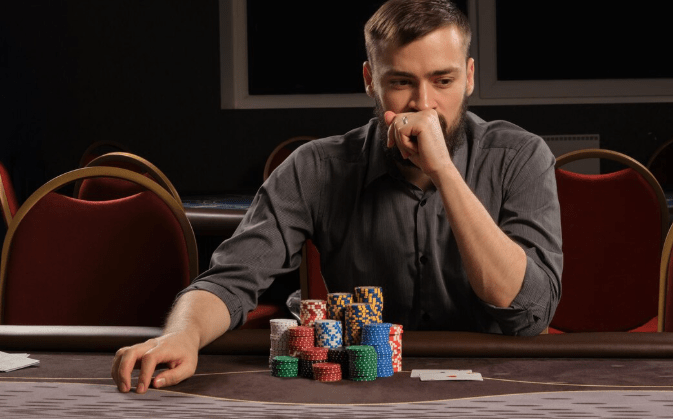
Most of the people who are taking part may have known and agreed to this before they start. Legal experts, on the other hand, say that knowing about a risk and being safe from its worst effects are two very different things. Attorney Paul Lesko has asked Whatnot to arbitrate on behalf of more than 60 users, saying that randomized breaks have all three things that most states use to define gambling: a bet, a result based on chance, and a prize. The companies involved don’t agree with this frame at all. Whatnot said that the action breaks a “long-standing format in collecting” and that gambling isn’t allowed on its site.
The stories are harder to ignore. A filmmaker who worked for Lesko said he was addicted to gambling. He wrote that the card break platforms made him feel like he did when he used to gamble in casinos: excited, close calls, and like the next pull could change everything. Over time, he thought he would lose hundreds of thousands of dollars. “The thing driving me was never the cards,” he said. This line of speech keeps coming up because it means something important: the product being sold might not be the product at all for some people.
The live break style is based on being right now. The breaks are meant to go quickly, keep the chat going, and set a rhythm that makes it easy to stay in for one more and then another. That’s not inherently bad—good stores have always known how to set the right pace. But when that pacing starts to show patterns that are more like how slot machines work than how people shop, it makes you think about some things.
The legal outcome is still really unclear. The courts haven’t made a decision on this yet, and the hobby industry has good points. But the scrutiny is important in and of itself. What began as an easy way for collectors to get expensive items without having to buy the whole box has turned into a live entertainment ecosystem with real financial, psychological, and now legal stakes. Whatever box breaking is called in the end, it’s clear that calling it a hobby is no longer quite enough.
