

Walk around the floor of a big card show like Collect-A-Con in Miami and you’ll see things that would have seemed crazy twenty years ago. There were grown adults, many of them smart and financially savvy, studying Pokémon cards with the kind of focused intensity that you usually only see at jewelry auctions. The prices on some of those cards are written in fives. There’s also a good chance that at least one person in that crowd isn’t there to collect.
The collectible card market has gone from being a niche hobby for kids to a serious investment space. Along with that change has come something less appealing: a rise in theft, fraud, and federal criminal cases that the FBI is getting more and more involved in. It’s still not clear how big the problem really is, since card crimes are often not reported or are mixed in with bigger fraud investigations. That being said, it’s getting harder to ignore the pattern.
For many, October 2020 was the moment when it became clear. A group of investors and influencers paid $375,000 for what they thought was a sealed, first-edition Pokémon box. They then livestreamed the opening to thousands of people online. As soon as the seal was broken, the audible gasp said it all. The box had its lid put back on. The cards inside were not worth nearly as much as they were bought for. Not only was it embarrassing, but it showed how smart and brazen card fraud had become.
Since then, there have been many more cases. Court records and news archives show a pattern of selling fake cards for real money, stealing cards from hobby shops and convention floors, and stealing cards directly from the U.S. Mail. Criminals involved include shoplifters who take things without thinking about it and organized groups that make fakes that look exactly like the real thing without having an expert look at them.
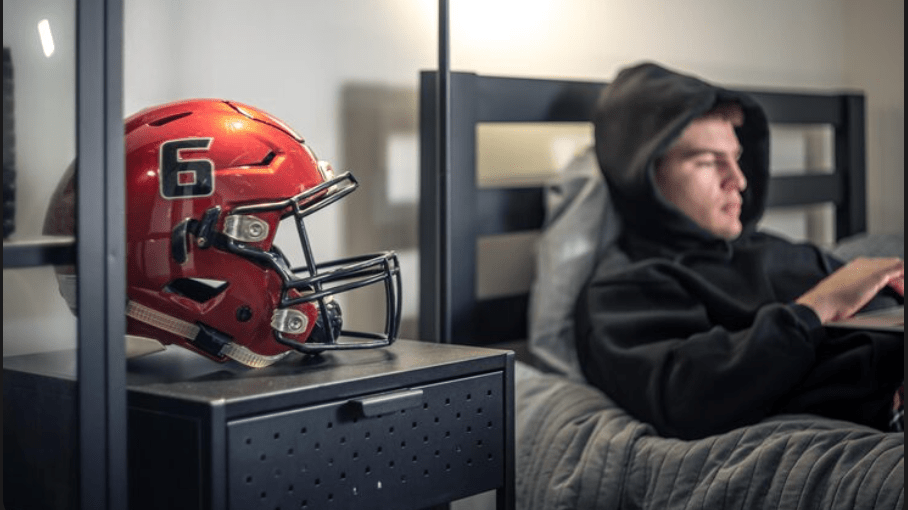
The FBI isn’t just interested in this case by chance. Crime and Corruption in Sport and Gaming is a program that the bureau already runs to protect the integrity of sports organizations. Usually, that program has been looking into match-fixing, illegal betting, and doping. But as collectible cards with sports stars have turned into real money-making tools, the links between sports crime and property crime have grown. A Shohei Ohtani rookie card that is almost perfect is no longer just a piece of memorabilia. It’s more like a bearer bond.
People who do the authenticating think that the police haven’t caught up with them yet. Richard Smith, an authenticator for Premier Card Grading, said it straight out: fake cards get better as the real ones get more expensive. That’s not just a guess; that’s what the market data shows. Cards that used to be worth $200 regularly go over $2,000 now. At that level, it’s not just tempting to fake something. For criminals who are willing to take the risk, it makes economic sense.
Fans of cards like Chris Gibson saw a card he bought for $200 quietly go up in value to over $2,000, so the stakes are very high. These aren’t just cardboard boxes. People save their money and look for these things for years. They are important parts of our cultural history. Watching that be used against you by counterfeiters working out of print shops in other countries or thieves scouting out convention halls hurts in a certain way. It’s hard not to notice how quickly people who want to take advantage of people who love something have found it.
The fact that these cases need to be looked into by experts makes them extra hard. Often, trained authenticators, not just detectives, are needed to tell the difference between a professionally faked card and a real one. The FBI has shown that it is ready to form partnerships with sports leagues, governing bodies, and watchdog groups to help fight sports crime in a broader sense. It’s still not clear if the same collaborative model can be used on a large scale to fight card fraud.
