
In academia, there is a specific type of moment that academics discuss for years. Not the tenure letter, not the peer-reviewed publication, and not the grant money. The standing ovation. The one that comes from pupils who, for once, felt truly assisted and weren’t required to applaud or have their enthusiasm graded.
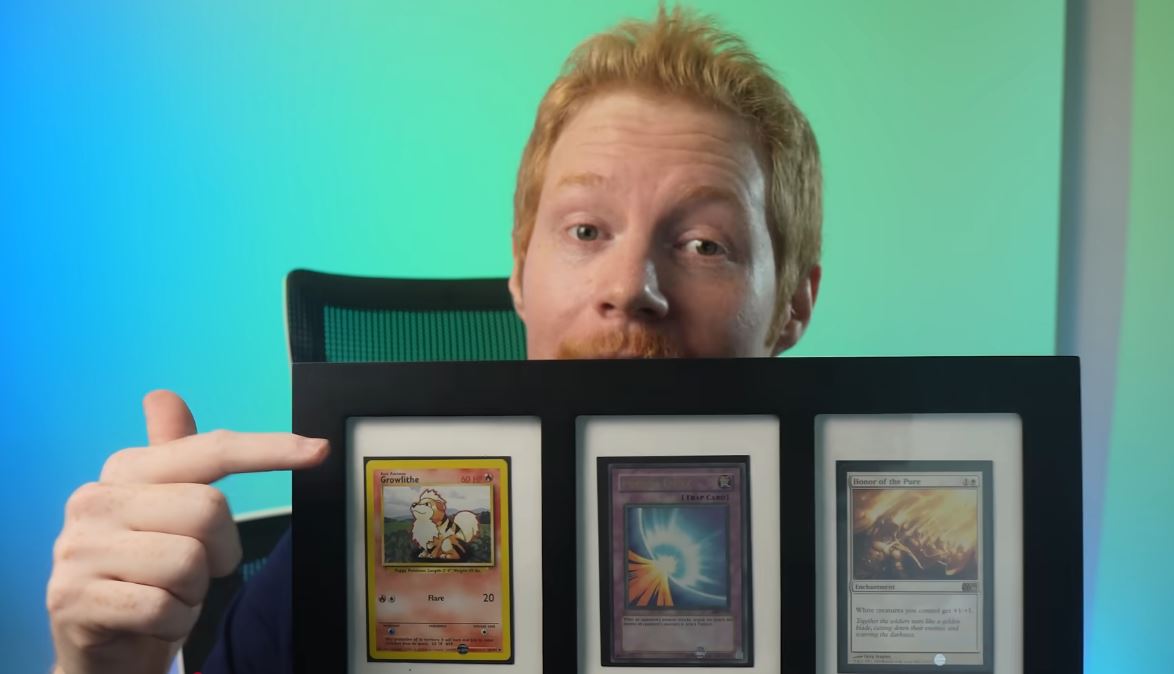
Not too long ago, a sociology professor at a mid-sized American university experienced one of those moments. He had spent weeks condensing key sociological theories, such as those of Durkheim, Foucault, Bourdieu, and Collins, onto little laminated cards that he printed and gave away for free to his undergraduate students. The concept was straightforward: provide overburdened first- and second-year students with a tangible reference tool that they could use during writing sessions, carry into seminars, or even hang above their desks.
A standing ovation was given by the class in response. That is not insignificant. Spontaneous applause is practically a miracle in a 200-seat lecture hall where the majority of students are resisting the temptation to check their phones.
The email then arrived. It wasn’t written by a pupil. At least not at first, it wasn’t from his department chair. It originated from an academic publisher’s legal department, pointing out possible copyright issues with the simplified language he had used to explain some theoretical frameworks. They claimed that the wording was too similar to that of the licensed textbooks the university had used for the course. Nothing had been submitted. It was not so much a lawsuit as it was a warning. However, even a warning shot can shatter walls in academic culture.
The professor himself appears to have noticed the absurdity, so it’s worth stopping here to appreciate it. In order to help students comprehend concepts that most publishers have spent decades purposefully making inaccessible—such as complex prose, pricey textbooks, and journal paywalls that most undergraduates are unable to get past without institutional access—he printed cards. He responded to that system by making it more human, portable, and compact. In a roundabout manner, the system pushed back.
The copyright issue is actually quite intricate. Licenses are held by academic publishers for particular ways of expressing ideas, not the ideas themselves. However, when you’re trying to condense something like Foucault’s concept of disciplinary power into four comprehensible sentences for a nineteen-year-old who is also managing a part-time job, it can be difficult to distinguish between paraphrasing a concept and reproducing its licensed expression. The professor seemed to be working in a gray area that he hadn’t completely mapped out before entering it.
The legal drama, which seems to have ended amicably, isn’t what keeps this story going. It’s the discrepancy it reveals between what constitutes effective instruction and what the current legal framework surrounding education allows. In lectures, professors frequently discuss copyrighted content without any problems. However, once the material is printed, duplicated, and distributed, a different set of guidelines appears to take effect—guidelines that weren’t precisely created with students’ comprehension in mind.
For the time being, the laminated cards have been replaced with a revised version that the professor wrote completely in his own words, carefully and purposefully, without using any specific language from the publisher. They are still used by students. They’re supposedly even better than the originals, according to some. And without giving much thought to the ovation that began it all, someone in a legal department most likely moved on to the next case.
