

The best baseball cards don’t make a fuss about it. They were quietly put away in binders, shoe boxes, and packs by fans who liked the player, long before anyone else thought the market should care. That’s the thing about gathering. Timing is important, but you don’t really understand how good your timing was until years later.
The Women’s Pro Baseball League is not going to wait years. The WPBL’s first official game is set for August 1 at Robin Roberts Stadium in Springfield, Illinois. Through a partnership with The Realest, a company started by Scott Keeney, better known as DJ Skee in the music world, the league is already making its first official card record. That’s an important choice for a league that doesn’t have a single box score, and collectors are paying attention.
It is expected that the set will include historical photos, action shots from the league’s first games, and relic cards with real game-used gear. The Realest will also be the WPBL’s official partner for authenticating memorabilia. Its witness-based verification system will be used on jerseys, baseballs, field dirt, lineup cards, and Opening Day patches. Checklist size, price, and distribution details haven’t been made public yet, which in today’s collecting world tends to make people more interested, not less.
Part of what makes this feel different from a normal card launch is the time. Most sets of cards record history after the case is over. As a brand-new league is being built at the same time, The Realest and the WPBL can shape what collectors notice first—the players, the stories, and the meaning behind the moments—before the market steps in and decides how much the chase names are worth.
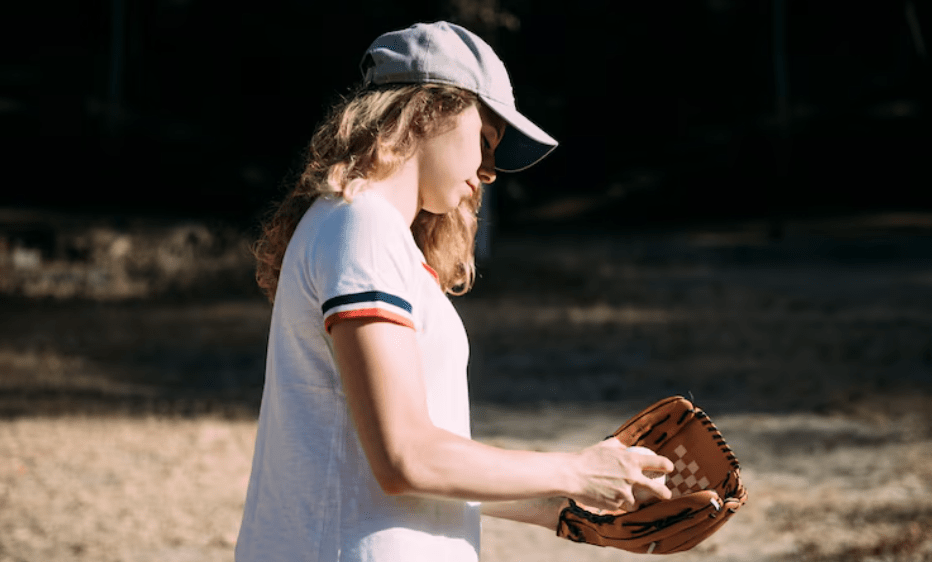
Keeney has been clear that the first set should be easy to get to. Even though he knows how appealing high-end chase pieces are, he says the goal is to build a brand instead of making money. It looks like the idea is to get cards into the hands of fans, not just investors. It’s still not clear if that will still be true once demand on the secondary market starts to build, but the goal has always been there.
When asked why trading cards were even part of the launch plan, WPBL commissioner and co-founder Justine Siegal gave a clear answer. She said that cards and baseball are the same thing. It seems pretty clear. That’s not always how it’s been dealt with. Women have played baseball for generations, but they haven’t always been given the obvious parts of baseball culture, like jerseys, memorabilia, and records that show they were there and that this mattered.
Siegal was the first woman to coach a professional men’s baseball team, run batting practice for an MLB team, and coach inside an MLB organization. At age 13, she was told she shouldn’t play baseball because she was a girl. Opening Day patches for the WPBL will be worn on the field, checked for authenticity, and then put into cards. When someone asked Siegal what those patches meant, he laughed and said everything. Her whole life’s work.
It’s hard to separate that background from the story of collecting. The best cards, the ones that mean more than they seem, tend to show why a moment was important, not just who was there. It’s not often that a WPBL hobby comes with this kind of story already built in. In most leagues, the cards become important over many years of stats, rivalries, and fan habits. This one starts with seventy years of women’s baseball history and a first season ahead of it.
It’s still early. The games haven’t been played, the cards haven’t been sent out, and the list of things to do is still unknown. But something quietly important is going on here. Collection experts who have been around for a while know that the best time to pay attention is usually before anyone else does.
