First Edition, Shadowless and Unlimited: How Pokémon's Early Print Runs Differ
Base Set collectors talk constantly about First Edition, Shadowless and Unlimited cards, but the differences come down to small printing details that matter a great deal to value.
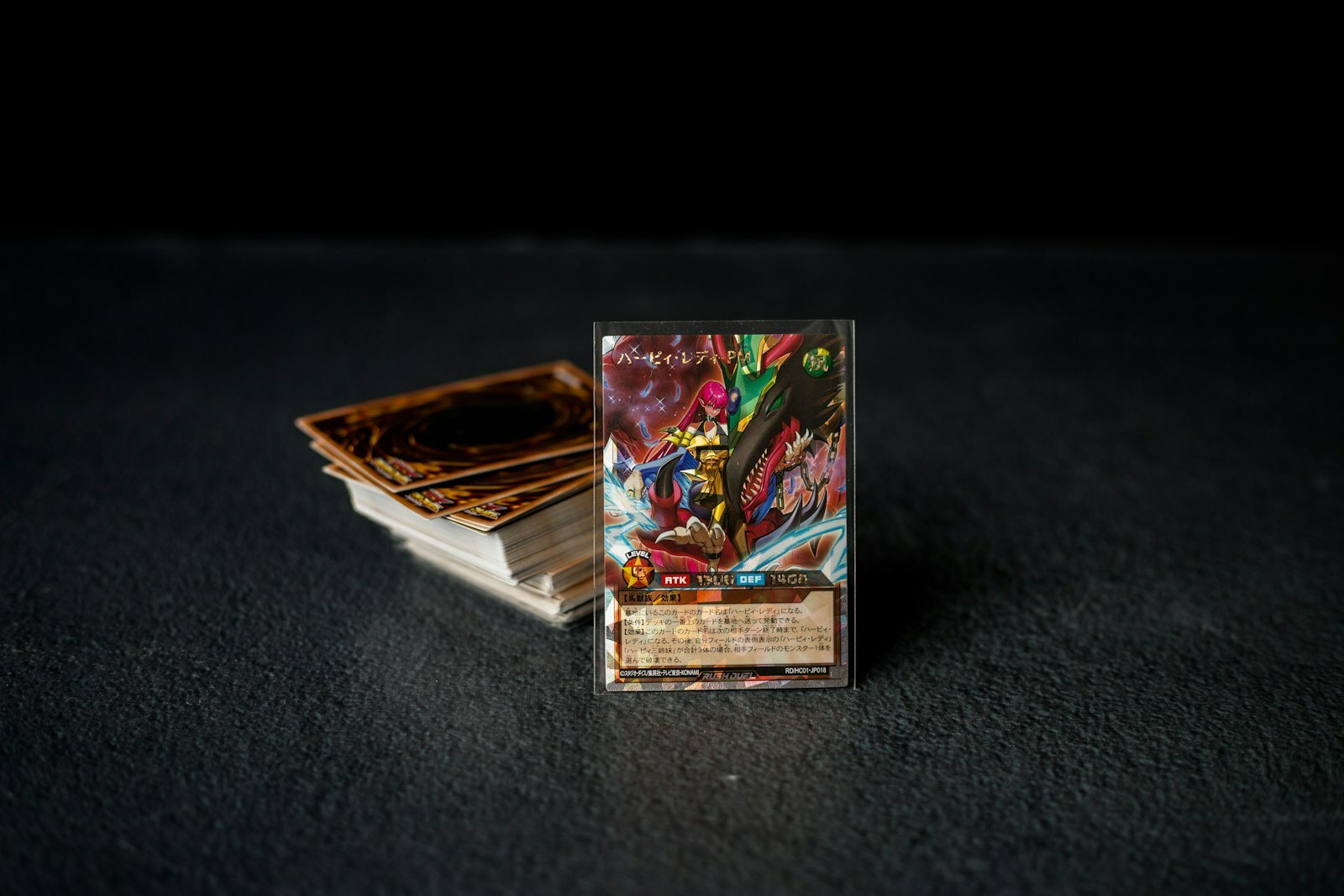
Why the same card exists in several versions
When the Pokémon Trading Card Game launched in the UK and elsewhere, the original Base Set was not printed once and left alone. It went through several print runs as demand grew, and the printing plates were tweaked between runs. Collectors now sort these early cards into three broad categories: First Edition, Shadowless, and Unlimited. Understanding the difference is essential before you buy or sell anything claiming to be an early Base Set card, because the category can move a card’s value enormously even when the artwork and text are identical.
First Edition: the initial stamped run
The very first print run of a set is usually marked with a small stamp, often reading “1st Edition”, printed on the card face. On Base Set cards this stamp sits on the left-hand side beneath the illustration. First Edition cards were produced in the smallest quantity of the early runs, which is the main reason they carry a premium.
It is worth noting that “First Edition” is a print run label, not a grading term. A First Edition card can still be heavily played and low grade, or pristine and highly graded. The stamp tells you about scarcity and printing order; it says nothing on its own about condition. Always check the stamp is genuine and correctly positioned, since it is one of the details forgers target, alongside colour and font accuracy.
Shadowless: a subtle printing quirk
Between the First Edition run and the later Unlimited runs, an intermediate batch was produced without the First Edition stamp but with a distinctive printing feature: the absence of a drop shadow behind the artwork box on the right and bottom edges of the card. Later Unlimited prints added that shadow. Because this is a visual printing difference rather than a stamp, Shadowless cards are identified by comparing the border around the picture box carefully, ideally side by side with a confirmed Unlimited example.
Shadowless cards sit between First Edition and Unlimited in scarcity and are generally valued accordingly, though this varies by individual card and by how the wider market is behaving at any given time. Some individual cards within the Shadowless run are scarcer or more sought after than others, so scarcity does not always track neatly with the three broad categories.
Unlimited: the ongoing standard print
Once the drop shadow was reintroduced, Base Set moved into what collectors call Unlimited printing. This is not a single run but an ongoing one, reprinted as needed to meet demand, and Unlimited cards are, unsurprisingly, the most common of the three. They are the cards most people encountered opening packs after the initial launch period, and they remain the most affordable entry point into owning an early Base Set card.
Why the distinction matters when buying
Because the three categories can look near identical to an inexperienced eye, especially in photographs, sellers sometimes describe cards ambiguously, deliberately or otherwise. Before paying a premium for a First Edition or Shadowless card, check the printing details yourself rather than relying on the listing title alone. Look for:
- The stamp position and font for First Edition claims
- The presence or absence of the drop shadow for Shadowless versus Unlimited
- Consistency between the seller’s photos and known reference points for that specific card, since some cards in a set have quirks that differ slightly from others
If a card has already been through a third-party grading company, the label on the slab should state the edition type explicitly, which removes most of the guesswork. This is one of the practical reasons collectors pay for grading and encapsulation on valuable early cards: it locks in an expert opinion on print run alongside condition, rather than leaving buyers to judge from photos.
Beyond Base Set
These three categories are specific to the earliest English-language Pokémon sets, most famously Base Set, though First Edition stamps also appeared on some subsequent early expansions before the practice was dropped. Later sets generally do not have Shadowless or First Edition variants in the same way, so the framework does not transfer neatly across the whole hobby. Always check what print run distinctions, if any, actually apply to the specific set you are looking at rather than assuming every early card follows the Base Set pattern.
Getting an independent view
If you are spending serious money on a claimed First Edition or Shadowless card, an independent grading opinion from an established company is the most reliable way to confirm what you are actually buying, alongside checking guidance from consumer protection bodies on your rights if a description turns out to be inaccurate.